What Are the Disadvantages of Cataract Surgery? A Comprehensive Overview of Risks, Side Effects, and Expert Mitigation

I. Introduction: What are the Disadvantages of Cataract Surgery?
Cataract surgery stands as one of the most successful and life-changing procedures in modern medicine, with an exceptionally high rate of success and patient satisfaction. However, before undergoing this elective procedure, patients must fully understand its limitations and potential drawbacks. The question, "What are the disadvantages of cataract surgery?", deserves a comprehensive and transparent answer.
We categorize the disadvantages into two main groups: Surgical Risks (Complications), which are rare but potentially serious events, and Post-Operative Side Effects, which are more common visual or structural disturbances that are typically manageable. This article synthesizes these drawbacks and details how the commitment to precision and safety in Japanese ophthalmology minimizes them to the absolute lowest possible level.
II. Disadvantage Category 1: Surgical Risks (Complications)
Surgical complications are rare events that occur either during or immediately after the procedure. Although the incidence is extremely low (well under 1% for severe issues), awareness is necessary.
1. Rare, Serious Risks:
These complications require immediate expert intervention and can impact final visual outcome:
Endophthalmitis (Infection): A rare but severe intraocular infection. This risk is minimized through stringent sterile techniques and prophylactic antibiotics used in surgical centers.
Posterior Capsular Rupture (P.C.R.): Tearing of the posterior membrane supporting the IOL, which can complicate lens placement and may require a secondary vitreoretinal procedure.
Retinal Detachment: The risk is slightly elevated, particularly in patients with pre-existing high myopia.
Suprachoroidal Hemorrhage: A very rare, massive internal bleeding event.
2. The Role of Expertise: These surgical risks are actively minimized by Japanese specialists through meticulous planning, the use of advanced technology, and adherence to strict sterile protocols, often resulting in complication rates that are significantly lower than the international average.
III. Disadvantage Category 2: Post-Operative Side Effects
These disadvantages reflect the eye's healing process or the optical characteristics of the new lens. They are generally manageable but may temporarily or permanently affect the Quality of Vision (QOV).
1. Dysphotopsia (Light Phenomena):
This is the most common visual disadvantage related to the IOL.
Halos and Glare: Rings of light or excessive brightness around light sources at night, most common with multifocal IOLs.
Shadows/Flashes: The perception of unwanted dark shadows (negative dysphotopsia) or bright flashes (positive dysphotopsia) caused by light reflection off the sharp IOL edge.
2. Ocular Surface and Structural Issues:
Post-Operative Dry Eye: Temporary or chronic dry eye symptoms resulting from initial inflammation and temporary corneal nerve disruption. This can cause fluctuating vision and discomfort.
Ptosis: Drooping of the eyelid due to swelling or minor trauma from the lid speculum used during surgery.
3. The Refractive Disadvantage (IOL Mismatch): The failure to achieve the target focus perfectly due to subtle errors in IOL calculation (Refractive Surprise). This leaves the patient dependent on glasses for a residual prescription.
IV. Mitigation: Turning Disadvantages into Manageable Outcomes
The true value of Japanese ophthalmology lies in its comprehensive strategy to prevent and manage the disadvantages through technological superiority and expert intervention.
1. Advanced IOL Planning: To preemptively address Dysphotopsia and Refractive Surprise (The Hidden Disadvantage), Japanese clinics utilize custom biometry and Pupilometry to predict the interaction between the IOL and the patient's unique anatomy, maximizing the chances of achieving a perfect refractive outcome without visual side effects.
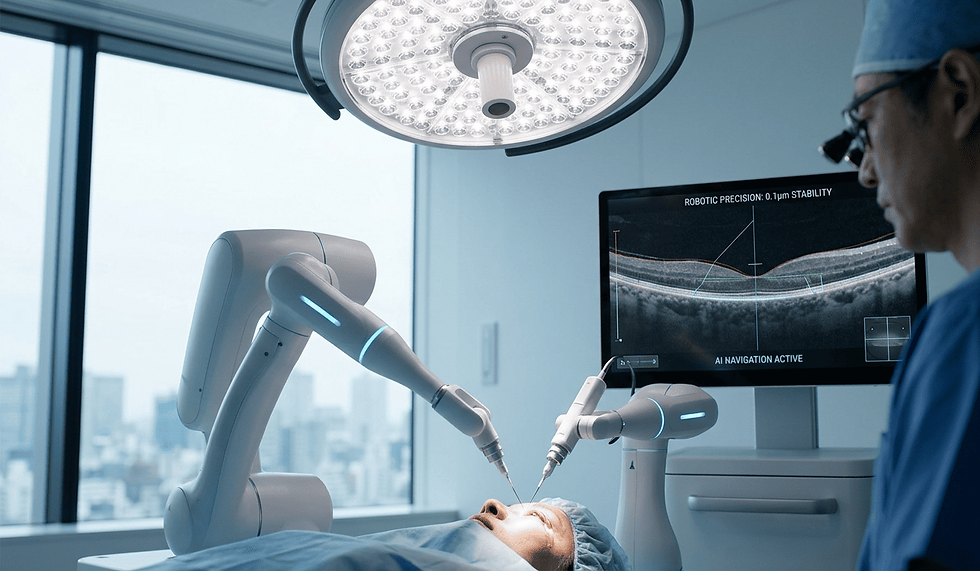
2. Risk Minimization Techniques: The use of FLACS (Femtosecond Laser-Assisted Cataract Surgery) potentially minimizes trauma by precisely creating the critical incisions and pre-softening the lens. This action significantly reduces the necessary ultrasonic energy, protecting the delicate corneal cells and reducing the risk of surgical complications.
3. Expertise in Reversibility: Should a significant refractive disadvantage occur (e.g., IOL mismatch causing intolerable Dysphotopsia or vision issues), Japanese specialists possess the expertise to safely perform IOL exchange surgery—removing the original lens and replacing it with one of a different power or design. This demonstrates the ultimate safety net and the commitment to optimal patient satisfaction.
V. Conclusion: The Final Balance: Benefits Far Outweigh Disadvantages
The question "What are the disadvantages of cataract surgery?" is answered by acknowledging the rare surgical risks and the common, manageable visual side effects. When weighed against the profound and life-altering benefit of restored sight and, optionally, freedom from glasses, the disadvantages are minor and extremely well-managed.
By choosing Japanese ophthalmic care, you ensure that the inherent disadvantages are tackled by world-class safety protocols, advanced technology, and surgeons highly skilled in complication prevention. This provides the ultimate assurance that your procedure will carry the lowest possible risk, leading to the highest possible level of visual certainty and satisfaction.
This article was reviewed by
Dr. Daiki Sakai, MD