Protect Your Vision From Diabetes: A Comprehensive Guide to Diabetic Eye Disease
Updated: Sep 2, 2025

Summary
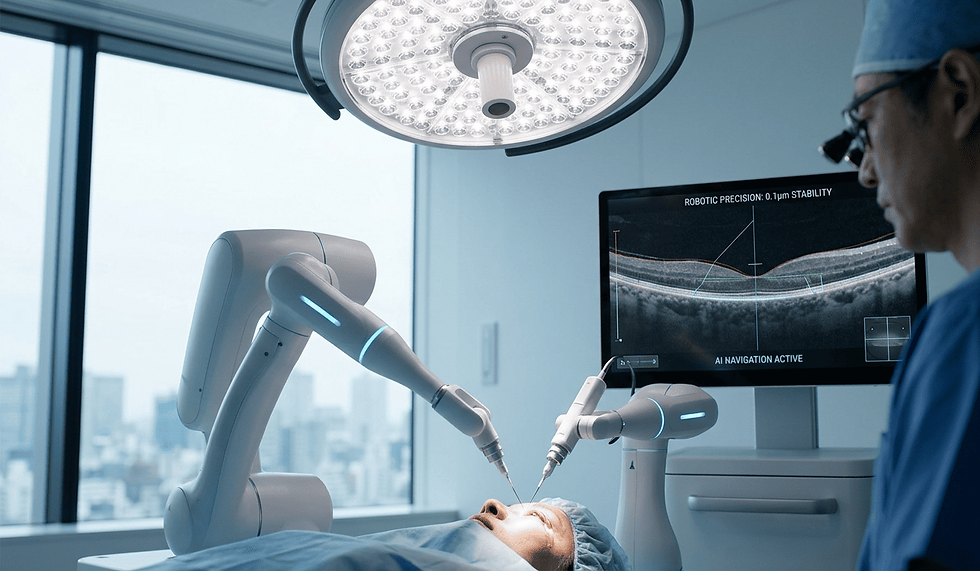
For patients who suffer from diabetic eye disease, including diabetic retinopathy and diabetic macular edema, we could offer specialized treatments, such as
Subthreshold Laser Treatment
Minimally Invasive Vitreous Surgery
3D Heads-Up Surgery
Please contact us to determine your eligibility.
Introduction: Seeing Clearly with Diabetes – Why Your Eyes Matter
If you live with diabetes, you're likely aware of its widespread impact on your health, affecting everything from your heart and kidneys to your nerves and feet. But there's one vital sense that is particularly vulnerable to the silent, insidious effects of high blood sugar: your vision. Diabetic eye disease is a group of conditions that can profoundly affect your sight, ranging from subtle changes in how you perceive the world to severe, irreversible vision loss.
The thought of losing your vision can be frightening, impacting your independence, daily activities, and overall quality of life. However, it's crucial to understand that with proactive management of your diabetes and regular eye care, most serious vision complications are preventable. This guide is designed to empower you with a general understanding of diabetic eye disease, focusing on how diabetes affects your vision, what visual changes to look for, and the essential steps you can take to protect your precious sight.
The Foundation of Sight: Understanding Your Eye's Vulnerability to Diabetes
To grasp how diabetes impacts your vision, it helps to understand the key structures of your eye responsible for sight:
Retina: This thin, light-sensitive tissue lining the back of your eye acts like the film in a camera. It converts light into electrical signals that are sent to your brain, allowing you to see. The retina is rich in tiny, delicate blood vessels that supply it with oxygen and nutrients.
Macula: A small, highly specialized area at the very center of your retina. The macula is responsible for your sharpest, most detailed central vision, color perception, and ability to read, recognize faces, and perform tasks requiring fine detail.
Optic Nerve: This nerve transmits the visual information from your retina to your brain.
Lens: The clear structure inside your eye that focuses light onto the retina. It can become cloudy, a condition known as a cataract.
Diabetes primarily harms your vision by damaging the tiny blood vessels that nourish your retina. Over time, consistently high blood sugar levels weaken these vessels, making them prone to leakage, blockages, or even the growth of abnormal, fragile new vessels. These changes directly interfere with the retina's ability to function properly, leading to impaired vision.
The Spectrum of Diabetic Eye Disease: How Each Condition Affects Your Vision
Diabetic eye disease encompasses several distinct conditions, each impacting your vision in specific ways:
1. Diabetic Retinopathy (DR): The Silent Threat to Retinal Health
Diabetic retinopathy is the most common diabetic eye disease and the leading cause of blindness in working-age adults. It develops when high blood sugar levels cause progressive damage to the blood vessels in your retina.
Non-Proliferative Diabetic Retinopathy (NPDR) – The Early Stages:
What happens: In NPDR, the retinal blood vessels weaken. They can form tiny bulges (microaneurysms), leak fluid or blood (hemorrhages and exudates), or become blocked (leading to "cotton wool spots").
How it impacts vision: In these early stages, you often experience no noticeable vision changes at all.Your central vision might remain 20/20. However, subtle damage is occurring. You might experience very slight blurring, difficulty adapting to dim light, or reduced contrast sensitivity that isn't immediately apparent in daily activities. This "silent" progression is why regular eye exams are so critical.
Proliferative Diabetic Retinopathy (PDR) – The Advanced Stages:
What happens: If NPDR progresses, areas of the retina become starved of oxygen. To compensate, the eye's natural response is to grow new, abnormal, and fragile blood vessels (neovascularization) on the surface of the retina or optic nerve. These new vessels are dangerous.
How it impacts vision: PDR is characterized by a higher risk of significant and sudden vision loss due to:
Vitreous Hemorrhage: These new vessels are extremely fragile and can easily bleed into the vitreous gel (the jelly-like substance filling your eye). This causes a sudden shower of floaters (dark spots, strings, or cobwebs) or a rapid, dramatic decrease in vision, often described as seeing through a cloud or a dense fog. In severe cases, it can cause near-total blindness in the affected eye.
Tractional Retinal Detachment (TRD): The scar tissue that often forms around these new, abnormal vessels can contract and pull on the retina, causing it to detach from the back of the eye. This leads to a sudden onset of a dark shadow or curtain moving across your field of vision, and severe, often permanent, vision loss if not promptly treated.
Neovascular Glaucoma: Sometimes, the abnormal blood vessels can grow into the drainage angle of the eye, blocking the outflow of fluid. This causes a painful and severe increase in eye pressure, leading to neovascular glaucoma, which can rapidly damage the optic nerve and cause irreversible vision loss.
2. Diabetic Macular Edema (DME): The Direct Threat to Your Central Vision
Diabetic macular edema (DME) is the most common cause of vision loss in people with diabetic retinopathy, even in the early stages.
What happens: This occurs when damaged blood vessels in the retina, particularly those near the macula, leak fluid, fats, and blood. This leakage causes the macula to swell (edema).
How it impacts vision: Since the macula is responsible for your sharp, central vision, DME directly interferes with your ability to see details clearly. Symptoms often include:
Blurred Central Vision: Making reading, recognizing faces, or seeing signs difficult.
Distorted Vision (Metamorphopsia): Straight lines may appear wavy, bent, or crooked (this is often detected with an Amsler grid test).
Faded or Dull Colors: The swelling can affect the function of the cone cells responsible for color perception.
A "Washed Out" or "Empty" Spot: You might notice a blank or blurry area in the very center of your vision.
Fluctuating Vision: Vision might seem clearer one day and blurrier the next, often related to blood sugar fluctuations.
3. Diabetic Cataracts: A Clouded Lens
People with diabetes are at a higher risk of developing cataracts (a clouding of the eye's natural lens) at an earlier age than people without diabetes.
What happens: High blood sugar levels can cause changes in the chemical balance of the lens, leading to the accumulation of sorbitol and other substances that make it cloudy and opaque.
How it impacts vision: Cataracts cause:
Progressive Blurring: Vision becomes increasingly hazy, like looking through a foggy window.
Increased Glare/Halos: Especially at night from headlights or streetlights.
Dull or Faded Colors: Colors appear less vibrant.
Difficulty with Night Vision: Seeing in low light becomes challenging.
Frequent Changes in Glasses Prescription: Your prescription might change more often than usual.
4. Diabetic Glaucoma: Pressure and Peripheral Vision Loss
Diabetes also increases the risk of developing glaucoma, a group of conditions that damage the optic nerve.
What happens: Most commonly, diabetes increases the risk of open-angle glaucoma, where the eye's natural drainage system becomes less efficient, leading to increased pressure inside the eye. As mentioned with PDR, neovascular glaucoma is a particularly severe form where abnormal blood vessels block drainage.
How it impacts vision: Glaucoma is often called the "silent thief of sight" because it typically causes gradual, painless loss of peripheral (side) vision first. Central vision is usually preserved until later stages. You might not notice any changes until significant optic nerve damage has occurred, making early detection through regular eye pressure checks and optic nerve evaluations crucial.
The Silent Progression: Why Waiting for Symptoms Is Dangerous
The most critical takeaway about diabetic eye disease is that it often has no noticeable symptoms in its early to moderate stages. This is a double-edged sword: while it means you might not feel ill, it also means significant damage can occur to your retina before you even realize anything is wrong with your vision.
Brain's Compensation: Your brain is incredibly adept at compensating for subtle vision changes. If one eye is affected, the other healthy eye often covers for it, masking the problem.
Gradual Changes: Vision loss from diabetic retinopathy often progresses gradually, making it hard to pinpoint day-to-day changes.
Central Vision Last: In many cases, especially with NPDR, central vision (what you use for reading) remains good until the disease is quite advanced or DME develops. This gives a false sense of security.
Therefore, relying on vision symptoms as a warning sign means you're already behind. By the time symptoms appear, the disease is often at a stage that requires immediate and sometimes intensive treatment to prevent further vision loss.
Safeguarding Your Sight: Your Proactive Role in Protecting Your Vision
The absolute best way to protect your vision from diabetic eye disease is through excellent management of your underlying diabetes and consistent eye care. This is an active partnership between you and your healthcare team.
Strict Blood Sugar Control (HbA1c): This is the single most important factor. Keeping your blood sugar levels as close to your target range as possible, as recommended by your primary care doctor or endocrinologist, directly prevents or slows damage to the delicate blood vessels in your retina. Every point reduction in HbA1c makes a difference.
Blood Pressure Control: High blood pressure puts additional stress on your blood vessels, including those in your eyes, accelerating damage. Maintaining healthy blood pressure is vital for overall vascular health and protecting your vision.
Cholesterol Management: High cholesterol levels can contribute to hard exudates (fatty deposits) in the retina, worsening vision and making treatment more challenging.
Healthy Lifestyle Choices:
Balanced Diet: Eating nutritious foods helps regulate blood sugar.
Regular Exercise: Improves blood sugar control and overall circulation.
Maintain a Healthy Weight: Reduces insulin resistance and overall diabetes burden.
Quit Smoking: Smoking dramatically increases the risk and worsens the progression of diabetic eye disease and many other diabetes complications. It severely compromises blood flow and oxygen delivery to the eyes.
Regular Comprehensive Dilated Eye Exams: This cannot be stressed enough. These exams are the only way to detect diabetic eye disease early, often before any vision loss occurs.
Frequency:
Type 1 Diabetes: First exam within 5 years of diagnosis, then at least annually.
Type 2 Diabetes: First exam at the time of diagnosis (as it may have been undiagnosed for years), then at least annually.
Pregnancy and Diabetes: Women with diabetes who are pregnant or planning pregnancy need an eye exam before or very early in pregnancy and close monitoring throughout, as retinopathy can worsen quickly.
What the exam reveals about your vision:
Dilated Examination: Allows your doctor to directly see the entire retina, including signs of leaky vessels, abnormal new vessels, swelling, or bleeding that directly impact your vision.
Optical Coherence Tomography (OCT): Provides detailed cross-sectional images of your macula, precisely measuring swelling (DME) and showing how fluid is distorting your light-sensing cells.
Fluorescein Angiography (FA): If performed, reveals leaky or blocked blood vessels, showing areas where your retina is not getting enough blood flow or where harmful new vessels are growing – all directly impacting future vision.
Modern Treatments: Restoring and Preserving Vision
When diabetic eye disease is detected and impacting vision, modern ophthalmology offers highly effective treatments designed to halt progression, reduce damage, and preserve or even improve vision:
Anti-VEGF Injections (Eye Injections): These medications (like Eylea, Lucentis, Beovu, Vabysmo, and biosimilars) are injected into the eye to block a protein (VEGF) that causes leaky blood vessels and new vessel growth. For DME, they directly reduce macular swelling, allowing the retina to function better and improving central vision. For PDR, they shrink the dangerous new blood vessels, preventing bleeding and tractional detachment that can cause severe vision loss.
Laser Photocoagulation (Laser Treatment):
Focal/Grid Laser: A precise laser is used to seal off specific leaky blood vessels in the macula, reducing swelling. While it can stabilize vision in DME, anti-VEGF injections are often preferred for direct vision improvement.
Panretinal Photocoagulation (PRP): Hundreds of tiny laser spots are applied to the peripheral retina in PDR. This sacrifices some peripheral retinal tissue to reduce the oxygen demand, causing the dangerous new blood vessels to regress, thereby saving crucial central vision.
Vitrectomy Surgery: For advanced PDR with persistent vitreous hemorrhage or tractional retinal detachment, surgery is performed to remove blood and scar tissue from the eye, allowing light to reach the retina again and reattaching the retina to restore vision.
Cataract Surgery: If a cataract is significantly clouding your vision, removing the cloudy lens and replacing it with a clear artificial one can dramatically improve overall vision and brightness.
These treatments are powerful tools, but they are interventions often initiated when damage has already begun to affect vision. This reinforces the critical importance of primary prevention through diabetes management.
Living with Diabetic Eye Disease: Beyond the Clinic
Managing diabetic eye disease is a long-term commitment. It requires patience, adherence to your treatment plan, and a proactive approach to your overall health.
Consistency is Key: Do not skip appointments or injections. Regular monitoring and timely treatment are essential to prevent vision loss and maintain the best possible outcomes.
Communicate: Be open with your ophthalmologist about any vision changes, concerns, or difficulties you are experiencing.
Support: Lean on family, friends, or support groups. Dealing with a chronic condition and potential vision challenges can be emotionally taxing.
Low Vision Aids: If vision loss has occurred and cannot be fully restored, your eye doctor can refer you to low vision specialists who can provide magnifiers, special lighting, electronic devices, and training to help you maximize your remaining vision and maintain independence.
Conclusion
Diabetic eye disease is a serious complication of diabetes, but it is not an inevitable path to blindness. Your vision is an invaluable gift, and you have the power to protect it. By maintaining strict control over your blood sugar, blood pressure, and cholesterol, adopting a healthy lifestyle, and committing to regular, comprehensive dilated eye exams, you are taking the most powerful steps to safeguard your sight.
Understand that your vision can be silently threatened, so don't wait for symptoms. Be proactive, stay informed, and partner closely with your healthcare team. By doing so, you can significantly reduce your risk, access timely treatments if needed, and continue to experience the world with clarity and confidence for years to come.
This article was reviewed by
Dr. Daiki Sakai, MD