Neltependocel: A New Horizon for Bullous Keratopathy – Understanding Japan's Corneal Regenerative Approach

I. Introduction: Neltependocel and Cornea Regenerative Medicine
The cornea, the clear front window of the eye, relies on a delicate layer of cells—the corneal endothelium—to maintain its transparency. Damage to this layer leads to swelling and vision loss, a condition known as Bullous Keratopathy (Corneal Edema). Historically, the only definitive treatment has been corneal transplantation. Neltependocel, developed through groundbreaking research in Japan, represents a fundamental shift in treating this disease.
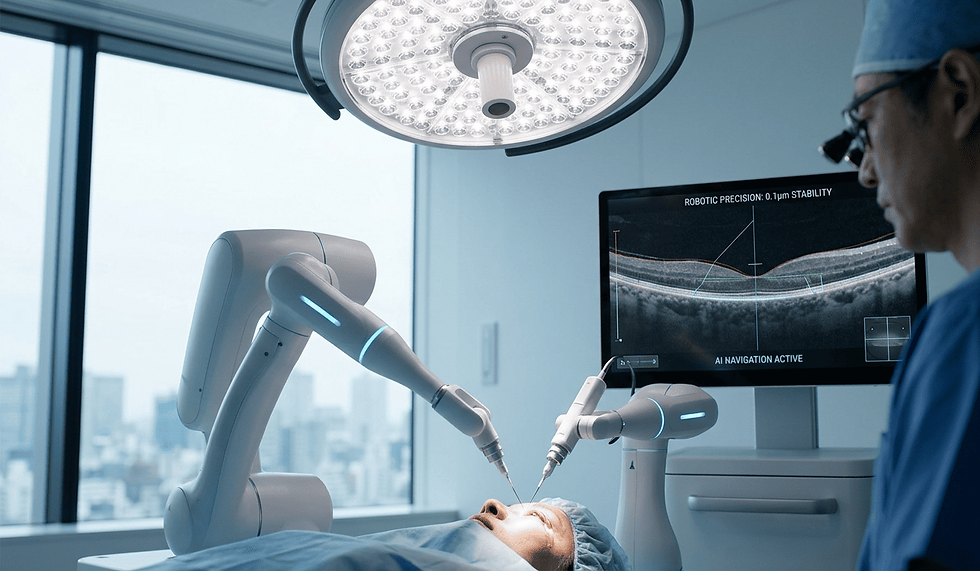
Neltependocel is not a drug, but an innovative cell therapy that involves injecting cultivated corneal endothelial cells into the eye's anterior chamber. This procedure aims to regenerate the damaged endothelial layer with minimal invasion, offering a highly anticipated solution that bypasses the major drawbacks of traditional donor tissue transplants. This article explains the condition, the mechanism of this revolutionary therapy, and Japan’s leadership in corneal regenerative medicine.
II. The Target Disease: What is Bullous Keratopathy? The Problem of Corneal Endothelial Cells
Bullous Keratopathy is a serious condition characterized by corneal swelling, clouding, and severe pain, caused by the dysfunction of the corneal endothelium.
1. Endothelial Cell Function (The Pump): The corneal endothelium is a single, crucial layer of non-regenerative cells lining the inner surface of the cornea. Its primary function is a metabolic "pump," constantly drawing excess fluid out of the corneal tissue. This pumping action maintains the perfect state of dehydration necessary for corneal transparency.
2. Bullous Keratopathy: When the number of functional endothelial cells drops below a critical density (often due to aging or surgical trauma), the pump fails. Fluid floods the cornea, causing it to swell (edema) and become opaque. This results in severe loss of vision, painful blistering on the corneal surface, and photophobia.
3. Causes: The most common cause is trauma sustained during previous intraocular surgery, particularly complicated cataract surgery or glaucoma surgery. Other causes include inherited conditions (like Fuchs' Endothelial Dystrophy) and general age-related loss.
III. The Mechanism of Neltependocel
Neltependocel is a paradigm-shifting therapy that turns a lack of donor tissue into a precise, targeted cell-based treatment.
1. Core Mechanism: Cultivated Cell Injection: Neltependocel is a cell suspension product derived from human donor corneas. Endothelial cells are carefully harvested and then cultivated ex vivo (outside the body) to multiply them into the massive numbers required for therapy. This single donor cornea can potentially treat multiple recipients, solving the global issue of donor scarcity.
2. Low-Invasiveness: The Injection Procedure: The procedure itself is minimally invasive. A small number of these cultivated endothelial cells are mixed with a specialized viscosity-enhancing agent (e.g., Rho-associated protein kinase (ROCK) inhibitor, which aids cell adhesion) and injected into the anterior chamber of the patient's eye through a tiny incision.
3. The Role of the Patient's Eye: The injected cells are encouraged to settle and adhere to the inner surface of the damaged cornea. Once settled, these healthy, functional cells begin to re-establish the vital pump function, actively drawing fluid out of the corneal tissue and restoring transparency and visual clarity.
IV. Advantages Over Traditional Treatment
Neltependocel offers significant clinical advantages over the conventional treatment for Bullous Keratopathy.
1. Traditional Treatment (Corneal Transplantation): The traditional definitive treatments involve replacing the damaged endothelium with donor tissue through Descemet’s Stripping Endothelial Keratoplasty (DSEK) or Descemet's Membrane Endothelial Keratoplasty (DMEK).
Drawbacks: These procedures are complex, still require a donor cornea (contributing to scarcity), carry risks of graft rejection, and necessitate a specific post-operative face-down positioning protocol.
2. Neltependocel Advantage:
Bypassing Scarcity: Culturing cells drastically reduces reliance on singular donor tissue.
Low-Invasiveness: The procedure requires only a tiny injection, avoiding the complex surgical construction of traditional transplants (no large incision, no sutures).
Rejection Risk: While the donor tissue is foreign, the risk of rejection is minimal compared to conventional transplantation due to the nature of the therapy.
V. Clinical Status and Future Outlook
Neltependocel (neltependocel) is not theoretical; it is a clinical reality spearheaded by Japanese research.
1. Development Status: This therapy is a breakthrough resulting from years of research, notably from institutions like Kyoto Prefecture University of Medicine and advanced pharmaceutical development. It has approved by Japanese government , showing both safety and efficacy in restoring corneal clarity in patients with Bullous Keratopathy.
2. Target Patients: The treatment offers immense hope for the rapidly growing population of patients with endothelial failure, particularly those suffering complications from previous eye surgeries. It provides a less invasive option for visual restoration, especially in regions facing a severe shortage of quality donor corneas.
VI. The Japanese Advantage in Regenerative Medicine
The development of Neltependocel underscores Japan's pioneering role in advanced ophthalmic regenerative medicine.
1. Research Pioneer: Japan has established itself as a global leader in cell-based therapies, driven by foundational work in iPS cell technology and regulatory frameworks designed to safely advance regenerative medicine. The development of Neltependocel is a direct result of this focused national effort in cell engineering and transplantation.
2. Focus on Minimally Invasive Solutions: The therapy reflects the Japanese medical philosophy: a commitment to finding solutions that are not only highly effective but also minimally invasive and gentle to the patient. Achieving functional vision restoration via a simple injection, rather than complex surgery, aligns perfectly with the pursuit of the highest quality of patient care.
VII. Conclusion: A New Dawn for Corneal Clarity
Neltependocel (neltependocel) is poised to revolutionize the treatment of Bullous Keratopathy. By replacing the need for bulk donor tissue with a cultured cell injection, this therapy significantly reduces surgical complexity, eliminates donor scarcity, and offers a gentler path to restored vision.
For international patients, access to this technology in Japan means accessing the world's most advanced solution for endothelial failure. It is a powerful testament to the leadership of Japanese scientists and ophthalmologists in translating cutting-edge cell therapy into clinical reality, promising a future where blindness due to corneal failure becomes increasingly preventable.
This article was reviewed by
Dr. Daiki Sakai, MD